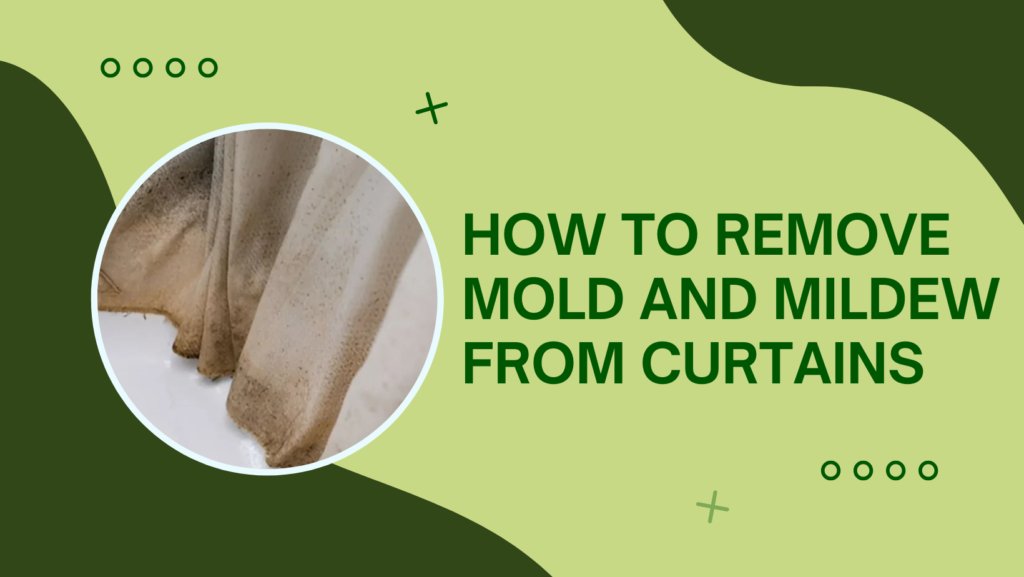
Mold and mildew are common problems for curtains, especially in rooms with high humidity, poor ventilation, or frequent window condensation. Curtains that touch cold walls or windows can trap moisture, creating the perfect environment for fungal growth. Mold not only damages your curtains but can also affect indoor air quality and trigger allergies. While severe infestations may be challenging, minor mold and mildew can often be treated effectively at home with simple steps.
Identify the Problem and Take Precautions
The first step is to carefully inspect your curtains. Check for visible mold patches, musty odors, or areas where the fabric feels damp. Handling mold spores safely is essential to prevent them from spreading or causing health issues. Wear gloves and a mask, and if possible, work outdoors to minimize indoor contamination. Removing the curtains from their rods or hooks before cleaning prevents further damage to the fabric and makes the cleaning process easier.
Remove Surface Mold
Start by gently shaking or lightly brushing the curtains to remove loose mold spores. A soft-bristled brush or a vacuum with an upholstery attachment works well for this step. Doing this outdoors is ideal, as it prevents spores from dispersing inside the house. This initial cleaning removes surface mold and prepares the fabric for deeper treatment.
Natural Cleaning Solutions
Instead of harsh chemicals like bleach, which can weaken or discolor fabrics, use natural solutions to treat mold. White vinegar is highly effective at killing mold spores and removing stains. Mix equal parts of vinegar and water in a spray bottle and apply it to the affected areas. Let it sit for 30–60 minutes, then gently blot with a clean cloth. For washable fabrics, add a cup of vinegar to your regular laundry along with mild detergent to remove mold and odors effectively.
Soaking and Washing Delicate Fabrics
Curtains that cannot be machine-washed can be cleaned by soaking. Fill a bathtub or large basin with warm water and mild detergent, and submerge the curtains for 30–45 minutes. Gently agitate the fabric to loosen mold and mildew. Rinse thoroughly with clean water to remove detergent residue. This method is especially suitable for delicate fabrics like silk, linen, or velvet, which require gentle handling to prevent damage.
Dry Thoroughly
Proper drying is crucial to prevent mold from returning. Hang curtains in a well-ventilated area or outdoors in direct sunlight. Sunlight naturally kills remaining mold spores and helps remove odors. Ensure the curtains are completely dry before rehanging, as any retained moisture can promote future fungal growth. Avoid folding or storing damp curtains, which can trap moisture and trigger mold regrowth.
Cleaning Without Washing
For curtains that cannot be washed or soaked, there are effective alternative methods:
- Vacuuming: Use the upholstery attachment to gently remove spores from the fabric surface.
- Spot Cleaning: Dab affected areas with a cloth soaked in a vinegar-water solution or mild detergent.
- Steam Cleaning: A handheld steam cleaner can kill mold spores while leaving curtains mostly dry.
- Airing Out: Take the curtains outside, shake or gently beat them, and let fresh air and sunlight help reduce mold presence.
Prevent Future Mold Growth
Prevention is always better than a cure. Improving ventilation in your home is key, open windows regularly, use exhaust fans, or place dehumidifiers in damp-prone areas. Avoid positioning curtains too close to windows or cold walls to allow air circulation. Choosing washable, natural fabrics makes cleaning easier and more effective. You can also use mold-resistant sprays that are safe for fabrics to provide an extra layer of protection. Regular maintenance and care can dramatically reduce mold recurrence.
Conclusion
Mold and mildew on curtains can be managed effectively with prompt action, natural cleaning solutions, and proper drying. From shaking out spores to spot cleaning and preventive care, most minor infestations can be treated successfully at home. With consistent care, ventilation, and occasional deep cleaning, your curtains in dubai can stay fresh, clean, and mold-free for years.