Curtains can quickly become victims of accidental paint spills, especially during home renovations, DIY projects, or craft activities. A small splash of paint can ruin the elegance of your curtains and affect your room’s aesthetic. However, remove paint from curtains is possible if you act promptly and follow the right cleaning techniques. This guide will walk you through step-by-step methods to remove both wet and dried paint from curtains, ensuring your fabrics remain clean and fresh.
Act Quickly on Wet Paint
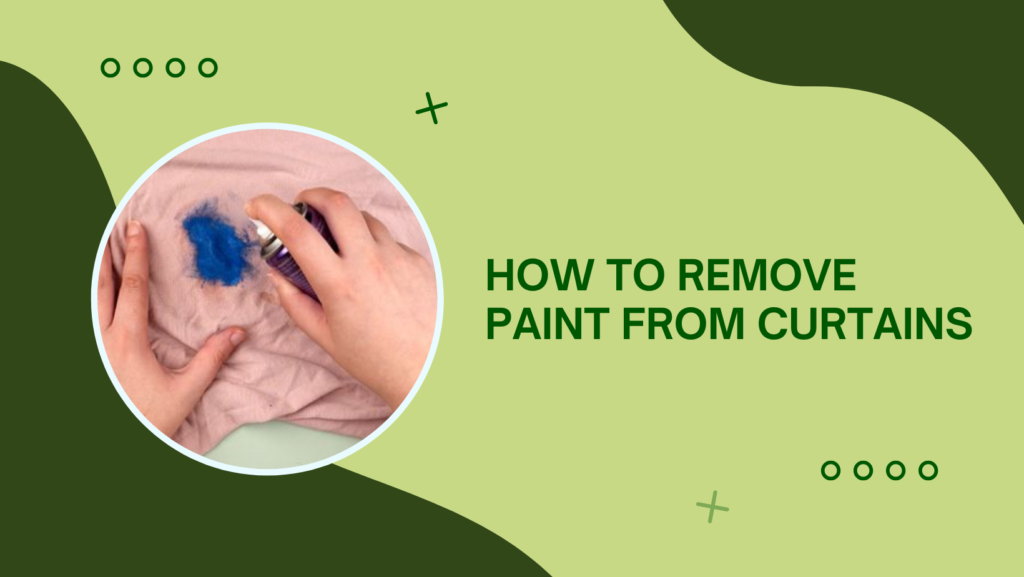
The key to successfully removing paint from curtains is immediate action. Wet paint is much easier to remove than dried paint. If the paint is still fresh, gently blot the area with a clean cloth or paper towel to absorb excess paint. Avoid rubbing, as it spreads the stain and pushes the paint deeper into the fabric fibers. For water-based paints such as acrylic or latex, use cold water and mild liquid detergent to gently wash the affected area. Blot the fabric repeatedly until most of the paint lifts, then rinse with clean water.
Removing Dried Paint
If the paint has dried, the removal process requires more careful handling. Begin by scraping off excess paint using a blunt knife or spoon, being careful not to damage the curtain fabric. Once the bulk is removed, treat the stain with a paint remover suitable for fabrics or a mixture of warm water and mild detergent. Let the solution sit on the stain for 10–15 minutes to soften the paint before gently blotting it with a clean cloth. For stubborn stains, repeat the process multiple times until the paint lifts.
Use the Right Cleaning Agents
The type of paint determines the cleaning method: water-based paints like acrylic or latex respond well to water and mild detergent, while oil-based paints require stronger solvents such as turpentine or mineral spirits. Always test any chemical solution on a small, hidden part of the curtain before applying it to the stain to avoid discoloration or damage. Work slowly, blotting instead of rubbing, to preserve the fabric’s texture and color.
Washable Curtains
If your curtains are machine washable, this simplifies the paint removal process. After treating the stain with detergent or paint remover, wash the curtains on a gentle cycle with cold water. Avoid using hot water, as it can set the paint stain permanently. Once washed, hang the curtains to air dry, preferably outdoors in a shaded area to prevent fading.
Non-Washable or Delicate Curtains
Delicate fabrics such as silk, velvet, or linen require extra care when dealing with paint stains. Avoid using strong chemicals or excessive water, which can damage the fibers. Instead, opt for professional dry cleaning services that specialize in stain removal. Experienced cleaners can remove both water-based and oil-based paint stains without harming the fabric, ensuring your curtains retain their original look and texture.
Using Home Remedies
Certain home remedies can help remove paint from curtains, especially for minor stains. For water-based paints, white vinegar or rubbing alcohol can be effective when applied carefully with a cloth. Dab the solution onto the stain, wait a few minutes, then blot gently. Baking soda combined with water can also create a paste that lifts small paint marks from fabric. Always rinse thoroughly after treatment to remove any residue.
Preventing Future Stains
Prevention is always better than a cure. When painting near windows or curtains, remove the curtains temporarily or cover them with protective sheets. Using curtain liners can also protect the main fabric from accidental spills. Regular vacuuming and maintenance help keep curtains clean and reduce the impact of any small stains before they set in.
Drying and Rehanging
After the paint is removed, ensure the curtains dry completely before rehanging. Wet curtains can attract dust or develop mildew if not dried properly. Hang them in a well-ventilated area or outdoors in shade to maintain their shape and prevent fading. Ironing on the recommended setting can also restore the curtains’ smooth appearance.
When to Seek Professional Help
Some paint stains, especially oil-based or large spills, can be extremely difficult to remove without damaging the fabric. In such cases, it is better to consult professional curtain cleaning services in Dubai or the UAE. Experts have the right tools, chemicals, and techniques to remove stubborn stains safely while preserving the quality of your curtains.
Conclusion
Paint stains on curtains can be stressful, but with prompt action and the right cleaning methods, most stains can be removed effectively. Wet paint should be blotted immediately, while dried paint requires scraping, chemical treatment, or professional help. Choosing the correct cleaning agents, protecting delicate fabrics, and drying curtains properly are crucial for maintaining their appearance and durability.
By following these methods, you can restore your curtains to their original elegance, keep them free from paint damage, and extend their life, ensuring your home stays stylish and clean.