Getting curtain measurements right is the secret to a polished, designer-looking room. Curtains that are too short can make ceilings look lower, while curtains that are too narrow appear flat and unfinished. When measured correctly, curtains don’t just frame your window; they control light, improve insulation, add privacy, and completely transform the feel of your space. The good news is that measuring for curtains is easier than most people think. With the right method and a few expert tips, you can achieve a flawless fit without hiring a professional.
Why Accurate Curtain Measurements Matter
Perfectly measured curtains enhance both function and style. Proper width ensures full coverage, preventing harsh sunlight and outside visibility from sneaking in. Correct length creates visual balance and elegance, whether you prefer a clean floor-length finish or a dramatic puddled look. Well-fitted curtains also improve energy efficiency by reducing drafts and helping maintain indoor temperature. Most importantly, accurate measurements give your room a tailored, high-end appearance rather than a rushed or mismatched look.
What You Need Before Measuring
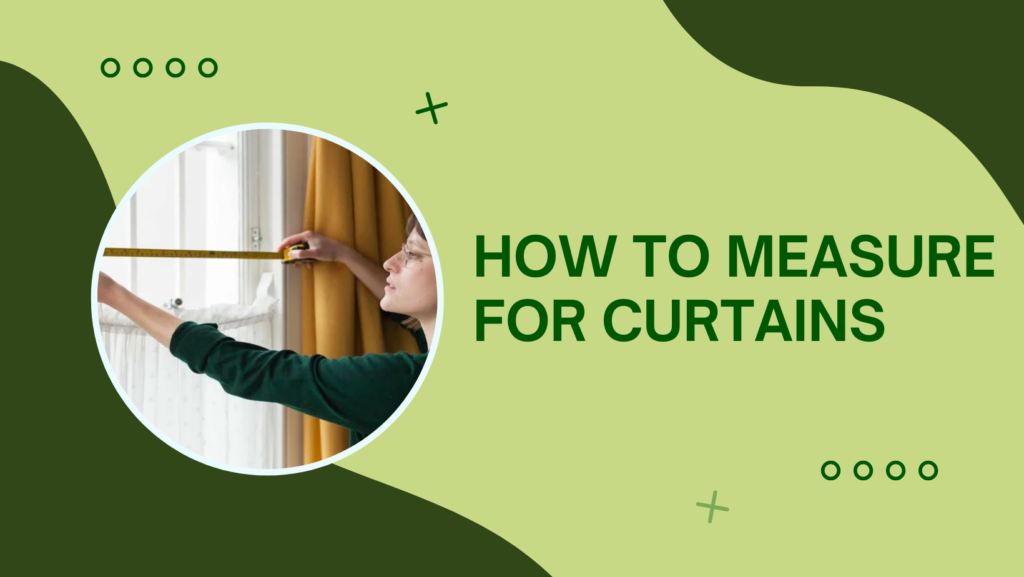
Before starting, gather a sturdy metal measuring tape, a notepad or phone to record numbers, and a step ladder if needed. A steel tape measure is recommended because fabric or plastic tapes can bend and reduce accuracy. Always measure in centimeters for better precision, and never rely on memory; write every measurement down immediately to avoid confusion later.
Understanding Basic Curtain Terms
When measuring for curtains, you’ll often hear terms like width, drop, heading, fullness, and stack back. Width refers to the total horizontal measurement across your curtain pole or track. Drop means the vertical length of the curtain from top to bottom. Heading is the top part of the curtain where it attaches to the rod or track, such as an eyelet, pencil pleat, or pinch pleat. Fullness describes how gathered or rich the fabric looks when closed. Stack back refers to how much space the curtain occupies when fully opened to the sides. Understanding these terms makes the measuring process much simpler.
How to Measure for Curtains Width Correctly
Always measure the full width of the curtain pole or track, not just the window frame. If your pole is already installed, measure from one end to the other, excluding decorative finials. If you don’t have a pole yet, measure the window width and add at least 15 to 20 centimeters on both sides. This extra space prevents light gaps and allows curtains to stack neatly when open.
For a full and luxurious appearance, curtains should be 1.5 to 2 times the width of the pole. For example, if your pole measures 200 cm, your total curtain width should be between 300 cm and 400 cm. This ensures the fabric gathers beautifully rather than hanging flat.
How to Measure Curtain Length Like a Designer
Curtain length depends on your style preference and the type of heading you choose. If measuring for eyelet curtains, start from the top of the curtain pole. For pencil pleat curtains on a track, measure from the top of the track to your desired endpoint. If using rings with a pole, measure from the bottom of the curtain rings.
There are three popular curtain length styles. Sill-length curtains end just above or slightly below the window sill and are practical for kitchens or smaller windows. Floor-length curtains drop about 1 to 2 centimeters above the floor, creating a clean and modern finish. Puddled curtains extend 5 to 15 centimeters onto the floor, adding drama and luxury to formal spaces.
Since floors and ceilings are not always perfectly level, measure the drop in at least three places, left, center, and right, and use the longest measurement to ensure even coverage.
Measuring Without a Curtain Pole Installed
If your pole or track is not yet installed, measure the width of your window and add approximately 15 to 20 centimeters on each side. For height, plan to install the pole at least 15 centimeters above the window frame to create the illusion of taller ceilings. Then measure down to your preferred curtain length.
Measuring Bay Windows
Bay windows may appear complicated, but the installation method is straightforward. Measure each straight section of the pole or track separately and then add those measurements together to determine the total width. The drop measurement is taken individually for each section. Precision is important because bay windows are installed at angles, and proper measurements ensure smooth curtain movement.
Common Curtain Measuring Mistakes to Avoid
One of the biggest mistakes is measuring only the glass area instead of the entire pole width. Another common error is forgetting to allow extra width for fullness, which makes curtains look thin and incomplete. Measuring in a hurry can also result in incorrect drop lengths, causing curtains to hover awkwardly above the floor or drag excessively. Always measure twice and order once.
Final Thoughts
Measuring for curtains doesn’t require professional skills; it simply requires attention to detail. By measuring the full pole width, allowing proper fullness, selecting your ideal drop length, and double-checking every figure, you can achieve perfectly fitted curtains that elevate your entire space. Whether you choose modern eyelet curtains or classic pencil pleats, the right measurements will ensure your curtains hang beautifully and function as intended.
When done correctly, well-measured curtains don’t just cover windows; they complete the room.
Frequently asked questions
Do I measure my window or the curtain pole?
Always measure the full width of the curtain pole or track, not just the window frame. If the pole isn’t installed yet, measure the window and add 15–20 cm on each side for proper coverage and stacking.
How much width should I allow for curtain fullness?
For a luxurious, gathered look, your curtains should be 1.5 to 2 times the width of the pole. This prevents the fabric from hanging flat and ensures a rich appearance.
How do I determine the right curtain length?
Curtain length depends on style and heading type:
-
Sill-length: Ends just above or slightly below the window sill.
-
Floor-length: Drops 1–2 cm above the floor for a clean finish.
-
Puddled: Extends 5–15 cm onto the floor for a dramatic effect.
Always measure in multiple spots (left, center, right) and use the longest measurement.
How high should I install the curtain pole?
For a taller, elegant look, install the pole at least 15 cm above the window frame. This adds height and helps curtains fall gracefully.
How do I measure bay windows?
Measure each straight section of the pole or track separately, then combine the widths for total coverage. Measure the drop individually for each section to ensure smooth curtain movement.
What are common mistakes to avoid when measuring curtains?
-
Measuring only the glass instead of the full pole width.
-
Forgetting to allow extra width for fullness.
-
Rushing and miscalculating drop lengths, leading to curtains that are too short or drag on the floor. Always double-check your measurements.